wheal medical definition

Rachel Fowler
Updated on June 29, 2026
Medical Definition of wheal
: a suddenly formed elevation of the skin surface: as. a : welt especially : a flat burning or itching eminence on the skin.
What does skin wheal mean?
A weal (or wheal) is a superficial skin-coloured or pale skin swelling, usually surrounded by erythema that lasts anything from a few minutes to 24 hours. Urticaria can co-exist with angioedema which is a deeper swelling within the skin or mucous membranes.
What causes wheal lesion?
Causes include stings, venoms, insect bites, drug reactions, allergic reactions to foods and environmental allergens, and physical factors like pressure, cold and exercise. A circumscribed, raised lesion consisting of dermal oedema. Wheals are most often seen in horses.
Where does wheal come from?
Etymology 1
From Middle English whele (“boil”), from Old English *hwele (“boil”); related to Old English hwelian (“to fester, ulcerate”). Compare also Old English hwelca, hwylca (“an inflamed swelling, pustule”).
What does a wheal look like?
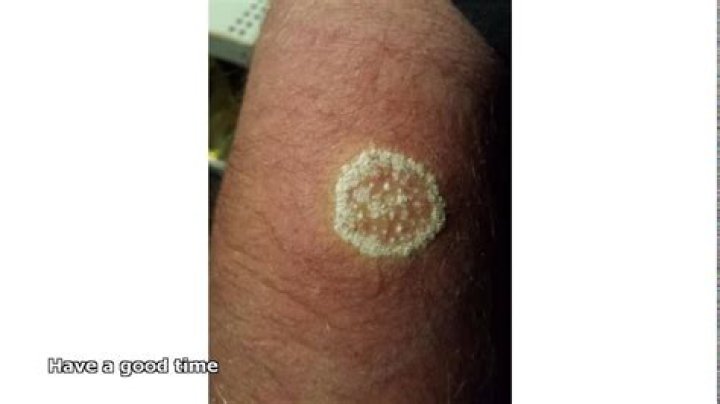
Swelling of the surface of the skin into red- or skin-colored welts (called wheals) with clearly defined edges. Wheals may get bigger, spread, and join together to form larger areas of flat, raised skin. Wheals often change shape, disappear, and reappear within minutes or hours.
What is wheal and flare?
The wheal and flare response is a descriptor used when talking about a two stage allergic response seen in Type 1 hypersensitivity. The first stage, called the wheal, is controlled by substances called acute phase mediators. The second stage, called the flare, is controlled by substances called late phase mediators.
Are wheals and hives the same thing?
Hives are an outbreak of swollen, pale red bumps that appear suddenly on the skin. These bumps are sometimes called wheals or welts, and they may be circular or irregular in shape and range in size from pin-size dots to large map-like patches.
What are weals?
About urticaria (hives)
Urticaria – also known as hives, weals, welts or nettle rash – is a raised, itchy rash that appears on the skin. It may appear on one part of the body or be spread across large areas. The rash is usually very itchy and ranges in size from a few millimetres to the size of a hand.
How long does a weal last?
A weal lasts about two hours, but is often followed by a small itchy solid lump which develops up to 24 hours later. This can last for several days before fading away. A localised allergic skin reaction – occurs in some cases causing swelling at the site of the sting.
What are the 3 types of lesions?
Primary skin lesions tend to be divided into three groups:
Lesions formed by fluid within the skin layers. Examples include vesicles and pustules.Lesions that are solid masses. Examples include nodules and tumors.Flat lesions. Examples include patches and macules.
What are the 5 types of skin lesions?
What are the different types of primary skin lesions?
Blisters. Blisters are skin lesions filled with a clear fluid. Macules. Macules are small spots that are typically brown, red, or white. Nodules. Papules. Pustules. Rashes. Wheals.
Is Wheal a scrabble word?
Yes, wheal is in the scrabble dictionary.
Is weal a scrabble word?
Yes, weal is in the scrabble dictionary.
What Colour is a wheal?
Urticaria. Wheals with white-to-light-pink color centrally and peripheral erythema in a close-up view. These are the classic lesions of urticaria. It is characteristic that they are transient and highly itchy.
Are wheals contagious?
Hives (urticaria) are a symptom and in themselves are not contagious, and most causes of hives are not contagious. Hives are typically due to an allergic reaction or other non-contagious trigger.