what causes gallbladder polyps

Sarah Parker
Updated on May 19, 2026
Gallbladder polyp size is often an indication of the presence of cancer: Small gallbladder polyps — less than 1/2 inch in diameter — are typically benign and, in most cases, don’t need to be treated. Gallbladder polyps larger than 1/2 inch in diameter have a greater likelihood of being or becoming malignant.
How fast do gallbladder polyps grow?
Neoplastic polyps were more frequently found in patients older than 60 years, those with hypertension, a polyp size greater than 10 mm, and a rapid growth rate greater than 0.6 mm/mo.
Can gallbladder polyps burst?
If any symptom occurs, most of them resemble cholecystitis. They may occasionally cause abdominal pain and even rarely pancreatitis, such as gallbladder stones. Pedunculated polyps rarely rupture, forming colic-like pain, jaundice, and cholangitis.
What causes polyps?
Healthy cells grow and divide in an orderly way. Mutations in certain genes can cause cells to continue dividing even when new cells aren’t needed. In the colon and rectum, this unregulated growth can cause polyps to form. Polyps can develop anywhere in your large intestine.
What problems can gallbladder polyps cause?
Polyps that are larger than 1 centimeter are most likely to be cancerous, while those smaller than that are unlikely to be — or to eventually become — cancerous. Gallbladder polyps may not cause any symptoms at all. But they may cause biliary colic (abdominal pain coming from the gallbladder).
What foods cause polyps?
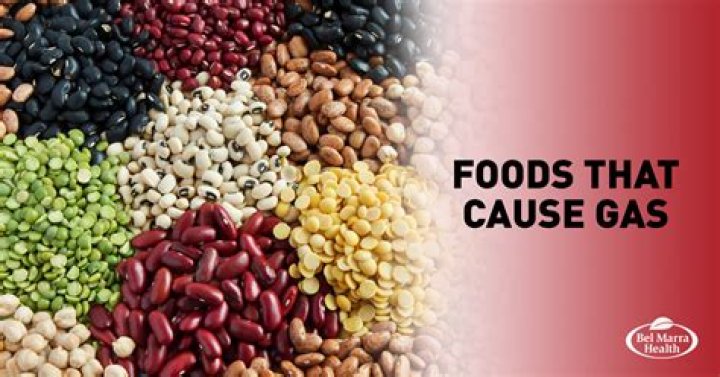
fatty foods, such as fried foods. red meat, such as beef and pork. processed meat, such as bacon, sausage, hot dogs, and lunch meats.
How can polyps be prevented?
How Can I Prevent Colon Polyps?
Eat a diet with lots of fruits, vegetables, and fiber-rich foods like beans, lentils, peas, and high-fiber cereal.Lose weight if you’re overweight.Limit red meat, processed meats, and foods that are high in fat.
What gets rid of polyps?
The options for removal include: Removal with forceps or a wire loop (polypectomy). If a polyp is too large to remove with this method, a liquid may be injected under it to lift and isolate the polyp from surrounding tissue so that it can be removed. Minimally invasive surgery.
What are the symptoms of having a gallbladder polyp?
Symptoms of Gallbladder Polyps
There is no difference in the symptoms of benign and malignant polyps. The most common symptoms are: Nausea. Vomiting.
When should a gallbladder polyp be removed?
Any gallbladder polyp that is felt to be symptomatic should be removed. In patients at risk for malignancy, a polyp of 6 mm or greater should likely be resected.
Can you live without a gallbladder?
Living without a gallbladder
You can lead a perfectly normal life without a gallbladder. Your liver will still make enough bile to digest your food, but instead of being stored in the gallbladder, it drips continuously into your digestive system.