Is combustion a chemical or physical? check this out | is supports combustion a physical or chemical property

Olivia Hensley
Updated on July 18, 2026
combustion, a chemical reaction between substances, usually including oxygen and usually accompanied by the generation of heat and light in the form of flame.
The change of one type of matter into another type (or the inability to change) is a chemical property. Examples of chemical properties include flammability, toxicity, acidity, reactivity (many types), and heat of combustion.
Is products of combustion A chemical property?
Some examples of chemical changes that we commonly encounter are the burning of wood, the spoiling of food, and the ripening of fruits. Some chemical properties produced by such chemical changes include: The heat of combustion, or the heat released through a combustion reaction.
Is combustion An example of a physical property?
Combustion is an example of a physical property.
Is combustion a physical process?
Combustion is not a physical process. Because, in combustion the oxygen is reacted with the substance and there is a formation of heat will take place. In a combustion reaction, there is a reaction between a fuel, that is hydrocarbon and oxygen will take place.
Why is combustion is a chemical reaction?
So, combustion is a chemical reaction when a fuel is burned to release energy. A fuel is a substance which is burned to release energy in a useful way. And the final thing we need to know is oxidation. This is when a substance gains an oxygen atom in a reaction and this happens during combustion.
How do you identify physical properties?
Physical properties are those general properties you notice most readily about a substance, such as its size, state of matter (solid, liquid, or gas), color, mass, density and strength. Values for physical properties can be determined by tests that don’t alter the substance being tested.
Which of the following is a physical property?
A physical property is a characteristic of a substance that can be observed or measured without changing the identity of the substance. Physical properties of matter include color, hardness, malleability, solubility, electrical conductivity, density, melting point, and boiling point.
What are physical and chemical properties?
Physical properties are those that can be observed without changing the identity of the substance. Properties that describe how a substance changes into a completely different substance are called chemical properties. Flammability and corrosion/oxidation resistance are examples of chemical properties.
Is combustion always a chemical change?
The physical state has changed, but the chemical make-up is the same. Thats a physical change. Combustion, however.. start with carbon, and oxygen C(s)+O2(g) , and end up with carbon dioxide CO2(g) a completely different molecule – that’s a chemical change.
What is example of physical property?
A physical property is a characteristic of matter that is not associated with a change in its chemical composition. Familiar examples of physical properties include density, color, hardness, melting and boiling points, and electrical conductivity.
What is chemical and physical process?
Physical and chemical processes can be classified by the changes occurring on the molecular level. In general, chemical processes involve changes in chemical bonds, while physical processes involve changes only in intermolecular forces.
What type of chemical reaction takes place during combustion?
Combustion is a high-temperature exothermic (heat releasing) redox (oxygen adding) chemical reaction between a fuel and an oxidant, usually atmospheric oxygen, that produces oxidized, often gaseous products, in a mixture termed as smoke.
Why combustion is not a physical change?
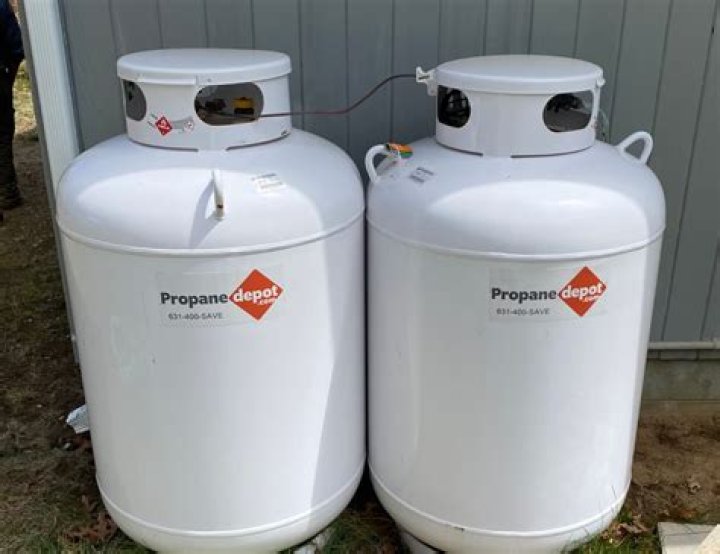
It is a chemical change because combustion of LPG produces new substances. A lot of heat is produced along with carbon dioxide and water vapour during this reaction. It is also irreversible in nature.
What are combustion products?
Some of the common pollutants produced from burning these fuels are carbon monoxide, nitrogen dioxide, particles, and sulfur dioxide. Particles can have hazardous chemicals attached to them. Other pollutants that can be produced by some appliances are unburned hydrocarbons and aldehydes.
What are the 3 types of combustion?
Types of Combustion
Rapid Combustion,Spontaneous Combustion, and.Explosive Combustion.
What is an example of complete combustion?
An example is burning of paper. It leaves behind ash (a form of soot) as a byproduct. In a complete combustion, the only products are water and carbon dioxide.