how do you get botflies

Sophia Vance
Updated on July 09, 2026
Their larvae live inside living mammals. We have three species of them in New Hampshire. Our most common bot fly is Cuterebra fontinella, reported to occur in most of the continental US (except Alaska), plus southern Canada and Northeastern Mexico.
How do you know you have a botfly?
Main Symptoms
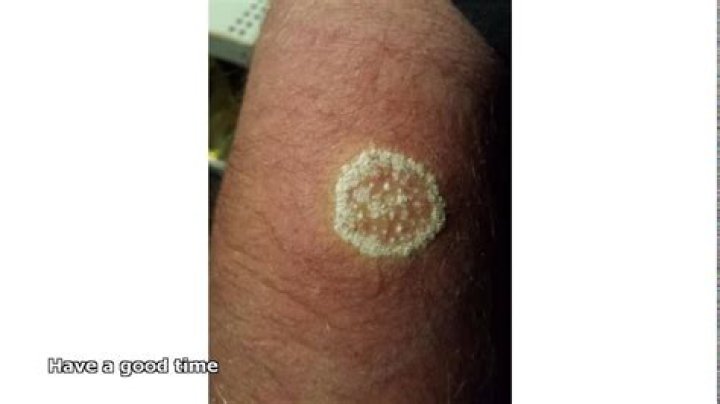
Formation of wounds on the skin, with redness and slight swelling on the region;Release of a yellowish or bloody fluid from the sores on the skin;Sensation of something stirring under the skin;Pain or intense itching at the wound site.
How do you prevent bot flies?
The easiest way to avoid getting infested with botflies is to avoid where they live. Since that isn’t always practical, the next best tactic is to apply insect repellent to deter flies as well as mosquitoes, wasps, and ticks that can carry fly eggs.
How common are botflies?
“Botflies are not an epidemic. But there are always a couple dozen cases when travelers return to the United States every year.” Extracting the larvae from the body can be somewhat painful and requires tremendous care to ensure that they’re removed in one piece.
Where are bot flies located?
Dermatobia hominis, commonly known as human botfly, is found in Central and South America, from Mexico to Northern Argentina, excluding Chile.
Where do human botflies live?
The human bot fly is native to Central and South America. The fly is not known to transmit disease-causing pathogens, but the larvae of Dermatobia hominis will infest the skin of mammals and live out the larval stage in the subcutaneous layer, causing painful pustules that secrete fluids.
What happens if a bot fly is not removed?
If left untreated, the larva will eventually leave on their own, but “they’re painful, they have spines on their body and as they grow bigger and bigger those spines burrow into the skin,” says Dr. Rich Merritt, a professor emeritus of entomology at Michigan State University.
How long can a botfly live in a human?
The insect lays its eggs on animals like flies or mosquitoes. Those insects become hosts, carrying the human botfly eggs to human skin — the warmth of which hatches the eggs into larvae, researchers said. The larvae then burrow into the human skin, where they live for 27 to 128 days, causing itching in their hosts.
What is a botfly look like?
The adult botfly — also known by other innocent-sounding names, like the warble fly, gadfly, or heel fly — can be about half an inch to an inch long, usually with dense yellow hair. They often resemble bumblebees.
Are there human botflies in Florida?
Thankfully, as I mentioned above, no botfly populations exist in Florida that will regularly infest humans. However, there is one type that will. The human botfly is found in Central and South America, where many tourists have come home from vacation to find themselves sporting a few warbles of their own.