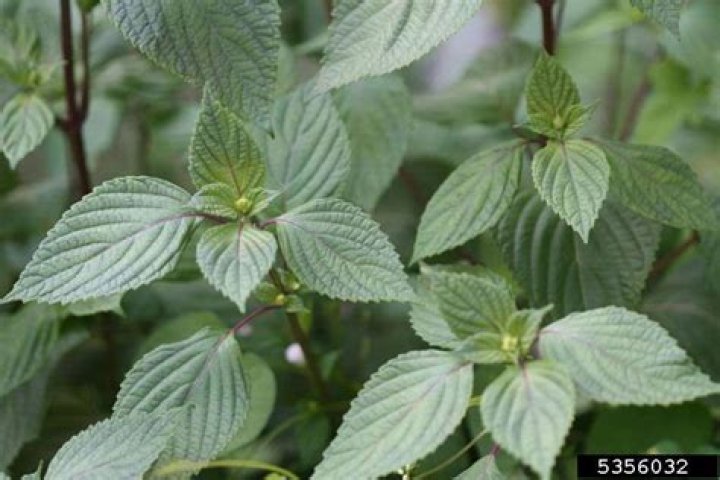
are jade plants toxic to cats

Sarah Parker
Updated on July 01, 2026
Jade plants are beautiful and easy to grow but are they toxic to cats? Yes, all parts of the jade plant are toxic to cats and can cause serious medical issues if your kitty chews or ingests them. Consider other, safer succulents for your home.
What happens if my cat eats a jade plant?
Cats that have ingested any part of the jade plant may vomit, show signs of impaired movement or loss of muscle control, and their heart rate may slow. Cats suffering from jade plant poisoning may also appear depressed, advises the ASPCA.
How poisonous are jade plants?
The Jade tree has found to be mildly poisonous to humans upon ingestion, causing minor symptoms like vomiting and diarrhea. However, Jade plants are included in the list of extremely poisonous plants for dogs and cats, according to ASPCA.
Are any succulents toxic to cats?
Many succulents in the euphorbia genus, such as the pencil cactus and crown of thorns, are poisonous to both cats and dogs. Symptoms of poisoning from ingesting this succulent range from gastrointestinal upset to skin and eye irritation.
What animal eats Jade?
What Is Eating My Jade Plant?
Spider Mites.Mealybugs.Scale.Whiteflies.Snails.Rabbits.Chipmunks & Squirrels.Deers.
What happens if a cat eats a toxic plant?
If your cats’ organs have been affected by ingesting a toxic plant, symptoms of poisoning may include: breathing difficulties, drooling, difficulties swallowing, excessive drinking, frequent urination, overall weakness, or irregular heartbeat. Gastrointestinal symptoms of poisoning may include: vomiting and diarrhea.
Is aloe vera poisonous to cats?
Aloe juice and pulp can be used to treat a variety of conditions in people, but it is highly toxic to cats. Keep aloe plants away from cats, like on your refrigerator or in your bedroom, and spray the plants with vinegar to make them less tasty to curious felines who find them.
Are jade plants poisonous to animals?
The jade plant is also commonly called a rubber plant and is very toxic to dogs, causing gastric distress, heartbeat irregularities, and depression among other symptoms. This is a popular plant that can grow up to five feet tall indoors and more than six feet tall outdoors.
Is Crassula ovata toxic to cats?
Jade plants or crassula ovata are considered toxic, potentially causing vomiting, diarrhea, lethargy and inappetence if ingested.
Is Jade Vine poisonous?
Generally, a jade plant is not toxic if left alone in its pot or garden bed. However, it can cause minor problems if ingested or accidentally rubbed against by humans or animals.
Are spider plants toxic to cats?
Unlike peace lilies and pothos, Chlorophytum comosum is one houseplant that can be safely nibbled by your kitties without requiring a trip to the emergency animal hospital. According to both the ASPCA and the National Capital Poison Center, aka Poison Control, spider plants are non-toxic to both cats and dogs.
Are cactus succulents safe for cats?
This plant, also known as the zebra cactus, has a spikey appearance similar to the aloe vera plant but without toxicity. They are easy to care for, and their green, spikey leaves and white polka dots add an elegant look to any home.
Are succulents good for air?
According to NASA, succulents can clean and purify 87% of the volatile organic compounds present in indoor air within 24 hours. It is because they can continue to keep exhaling oxygen even when you turn off their light at night.
Why does my jade plant have white stuff on it?
The main reasons jade plants have white spots include mold growth such as powdery mildew, excess salt excretion or an insect infestation.
Do jade plants attract bugs?
There are really only four insects that seem to infest Jade plants (Crassula argentea) with much regularity. They are mealy bugs, root mealy bugs, scale, and to a lesser extent, spider mites. Mealy bugs will be evident by their white cotton like covering.
What temperature do jade plants like?
Jade plants do best with daytime temperatures between 65 and 75 ° F, and nighttime temperatures between 50 and 55 ° F. During the winter months, protect plants from drafts and do not let their foliage touch windowpanes. Jades prefer the full sun or bright filtered light of a south-facing window.